


Buying Guides
Carpeted Matting vs Coir Matting: What’s the Difference?
If you’re choosing between carpeted matting and coir matting, the main difference is simple: carpeted matting is usually made from synthetic textile fibres, while coir matting is made from natural coconut husk fibres. That material difference affects how each one deals with grit, moisture, appearance, upkeep and heavy daily use. For most indoor business entrances and wetter doorways, carpeted matting is usually the safer pick. Coir still makes sense in sheltered entrances, porches and places where dry dirt scraping and a natural look matter more than moisture control and easy maintenance.

A doorway that fills up with wet shoes, grit and tracked-in dirt is where this choice usually starts. Carpeted matting is typically synthetic textile-based matting, while coir matting is made from natural coconut husk fibres, and that difference usually makes carpeted matting the better fit for wetter, busier indoor entrances and coir the better fit for sheltered entrances with more dry debris. Get this wrong and the mat can look tired quickly, hold mess where you do not want it, or fail to protect the floor properly. This guide shows where each type works best, how they handle dirt and moisture, and which one is likely to suit your entrance.
What each type is made from
The clearest difference is the fibre. Carpeted matting is usually made from synthetic textile fibres such as nylon, polypropylene or polyester. Coir matting uses natural fibres taken from coconut husks. That gives each type a very different feel underfoot and a different job at the door.
In practice, carpeted matting tends to look more like a fitted entrance mat or indoor walk-off mat. It usually has a tidier, more uniform surface and is often chosen where you want the entrance to keep looking presentable through the day. Coir has a more natural, coarse appearance and is often picked for porches, mat wells and traditional-looking entrances.
If you are weighing up the natural look of coir, it helps to see the wider range of coir matting options. If you are leaning towards a synthetic indoor entrance mat, the broader entrance mats collection is the more relevant starting point.

How they deal with dirt and moisture
Scraping dry dirt
Coir is commonly chosen for its coarse texture, so it is often a strong option where the main problem is dry grit, loose soil or bits of debris from shoes and boots. That is why it is a familiar choice for porches and recessed doorway wells. Still, it is better to think of coir as good at that scraping role rather than automatically better in every case, because real performance also depends on the mat's construction and how much contact people actually make with it.
Handling wet shoes
Carpeted matting is usually the better choice where people come in from rain, stand on the mat for only a step or two, and then walk straight onto hard flooring. Some carpeted entrance mats are designed to hold and manage moisture indoors, which makes them easier to place in office entrances, school receptions, shop doorways and internal lobby areas where keeping the floor drier matters just as much as catching dirt.
Coir has moisture-absorption behaviour as a natural fibre, but that does not make it the best answer for persistently wet entrances. In a doorway that stays damp through the day, coir can end up holding dirt and moisture in a way that needs more attention. This is why a busy indoor entrance usually benefits more from purpose-built carpeted entrance matting than from coir alone.
Whichever type you choose, entrance matting works best when it is correctly specified, large enough for the traffic flow, and kept in good condition, which fits the wider advice from the HSE on slips and entrance flooring.
Durability, appearance and day-to-day upkeep
For heavier daily traffic, carpeted matting is usually the more predictable option. Synthetic fibres are widely used in commercial carpet because they can be engineered for wear, and that matters in entrances where people are constantly walking through with wet shoes, pushchairs, trolleys or wheeled bags.
Coir can still work in commercial settings, but it tends to be a better fit for sheltered and lighter-duty use, or where appearance is part of the brief and the cleaning routine can keep up. In a small shop doorway, a sheltered pub entrance or a porch with a mat well, coir may be completely suitable. In a busy reception, shared office entrance or school doorway, carpeted matting is usually easier to live with over time.
Cleaning burden
Carpeted matting is often simpler to maintain as part of a regular indoor cleaning routine. It usually looks neater between cleans and suits entrances where you want a controlled, professional finish. Coir needs a bit more acceptance that the mat is doing a rougher job. It can hold onto debris visibly and may suit you less if you want the entrance to look tidy all day with minimal attention.
How they age visually
Coir has a natural look that many people like, but it also looks more rustic as it gets used. That can suit period properties, porches and independent businesses where a more traditional entrance works. Carpeted matting usually gives a cleaner visual line and often sits better in modern receptions, internal lobbies and corporate spaces.
Where each one works best
Choose carpeted matting when
- the entrance is indoors and regularly gets wet shoes
- you need better moisture control across the first few steps
- the doorway has steady or high foot traffic
- you want a neater, more uniform appearance
- cleaning needs to be straightforward and repeatable
If your main issue is wet footwear coming straight into an indoor entrance, the AquaProtect Super Absorbent Door Mat is a strong example of the kind of carpeted matting to look at for that setting.
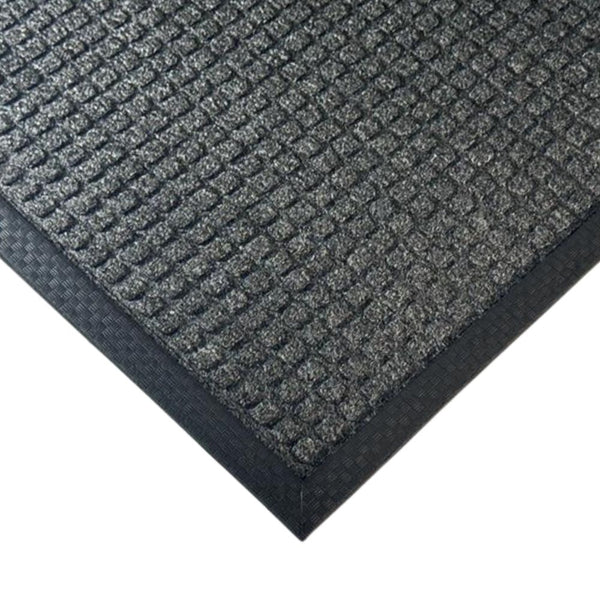
AquaProtect Super Absorbent Door Mat
The AquaProtect Super Absorbent Door Mat is made for entrances that have to deal with wet weather, muddy shoes, and heavy daily footfall. Holding up to 6 litres of water…
- Super Absorbent: Holds up to 6 litres of water per square metre.
- Highly Durable: 10.5mm thickness with Decalon fibres for long-lasting use.
- Non-Slip Design: Rubber backing prevents movement on smooth floors.
- Wheelchair Accessible: Reinforced border for added stability.
From £30.60 + VAT
If the entrance is more about everyday indoor traffic than heavy wet weather, the EntryPlus Large Entrance Mat is the sort of option that suits a larger office, school or reception doorway where extra walk-off coverage matters.
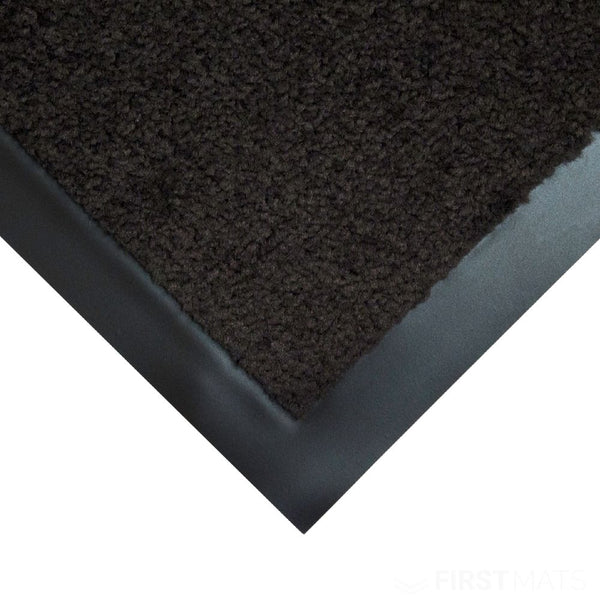
EntryPlus Large Entrance Mat
The EntryPlus Large Entrance Mat is a smart, practical entrance mat designed to keep larger doorways cleaner, safer and more welcoming. Ideal for homes, offices, schools and commercial buildings with…
- Ideal for Medium Traffic: Perfect for schools, offices, and public buildings.
- Solid colours and large sizes: Choose from four colours and sizes ranging from 60x90cm to 120x240cm.
- Durable Construction: Polypropylene fibres with a dense vinyl base for added longevity.
- Improves Cleanliness: Effectively traps dirt and water.
From £32.98 + VAT

Choose coir matting when
- the entrance is sheltered rather than fully exposed
- dry dirt scraping matters more than indoor moisture retention
- you want a natural, traditional entrance look
- the mat is going into a porch or mat well
- you are comfortable with more hands-on cleaning
For a recessed porch or sheltered doorway where you want that coarse natural finish, 17mm Premium Coir Coconut Matting - Cut to Size is the kind of coir option that makes sense.
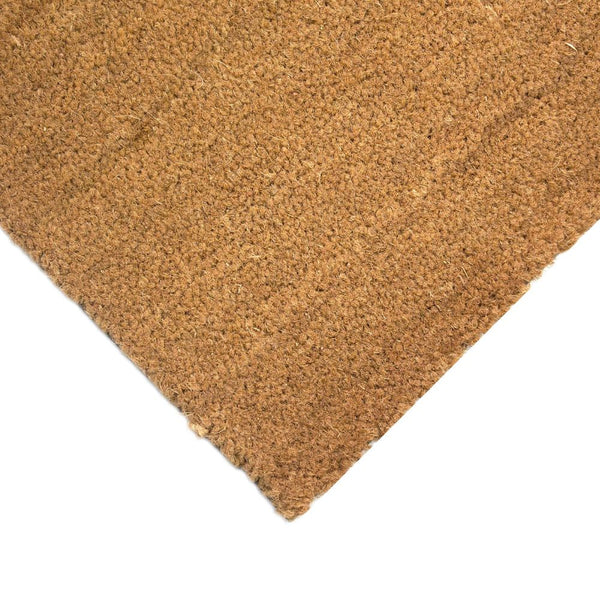
17mm Premium Coir Coconut Matting - Cut to Size
The 17mm Premium Coir Coconut Matting is the gold standard for natural entrance matting. Crafted from 100% natural coconut husk fibres on a tough PVC backing, it combines rustic charm…
- Custom-Fit Matting: Cut to length for a precise fit.
- Highly Durable: Made from tough, 100% natural coconut husk fibres.
- Strong PVC Backing: Securely fits into mat-wells, preventing movement.
- Superior Absorbency: Highly rated for moisture retention, keeping floors dry.
From £150.60 + VAT
If you want a middle ground indoors, with a more domestic-looking finish and some scraping action at the door, the EntryBrush Ribbed Door Mat is worth considering for sheltered entrances and internal follow-on matting.
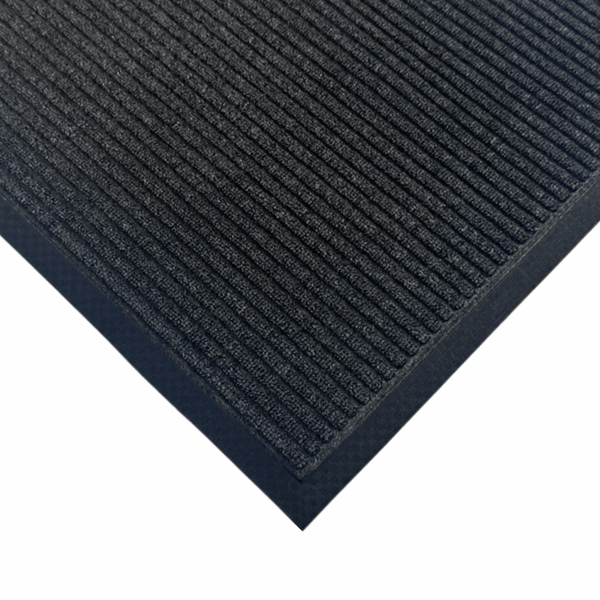
EntryBrush Ribbed Door Mat
The EntryBrush Ribbed Door Mat's unique double-ribbed design expertly keeps your floors clean and protected. This innovative pattern effectively scrapes away dirt, stones, and moisture from shoes, ensuring a pristine…
- Double Ribbed Design: Ensures effective brushing and wiping of dirt and stones.
- High Durability: Made from tough polypropylene fibres for heavy use.
- Moisture Retention: Absorbs water effectively, keeping floors drier.
- Non-Slip Backing: Vinyl backing prevents slipping, enhancing safety.
From £30.60 + VAT

Which gives better value over time
The better value is the mat that matches the entrance properly. Coir can be good value in the right place because it suits a simple, sheltered scraping role and gives a look that other mats do not. But if you put it in a wet, busy indoor entrance and expect it to manage moisture like a purpose-built indoor entrance mat, it may disappoint.
Carpeted matting often gives better long-term value in business entrances because it is easier to match to indoor traffic, easier to clean as part of routine maintenance, and better suited to entrances where water management matters day after day. That does not make it the automatic winner for every home porch or traditional doorway, only the more dependable choice for many indoor commercial settings.
How to make the right choice for your entrance
If your entrance problem is mostly wet shoes, repeated traffic and the need to keep the floor looking presentable, choose carpeted matting. If your entrance is sheltered, the mess is mostly dry grit, and you want a natural look, choose coir. For many buildings, the strongest setup is not choosing one material as universally best, but choosing the one that matches the exact doorway in front of you. If you are replacing an entrance mat now, start with the wetness level and traffic first, not the appearance.