



Buying Guides
Which Floor Mats Can You Use Outdoors?

Have you ever stepped outside your door and slipped on a wet, ineffective mat? Or perhaps you've noticed your once-attractive mat has deteriorated rapidly after being exposed to rain and dirt? Choosing the right outdoor mat might seem simple, but selecting the wrong one can lead to safety hazards, unnecessary maintenance, and wasted money.
Whether you're a homeowner looking to keep your entrance clean and welcoming or a café or restaurant owner seeking an attractive yet practical solution for your outdoor spaces, understanding which materials work best outdoors is essential. In this guide, we'll explore the different types of mats suitable for outdoor use, helping you make an informed choice that combines safety, durability, and aesthetics.
Coir Mats - When and Why They Work Outdoors
Coir mats cut from rolls usually have PVC backings, designed for recessed floor mat wells. These backings don't drain water, making them unsuitable outdoors. Without drainage, these mats quickly become waterlogged and damaged.
However, small pre-made coir mats are suitable outdoors. These mats have gaps that allow water drainage and often come with rubber backings for added durability.

Advantages:
-
Good scraping ability
-
Attractive natural appearance
-
Water drains easily (pre-made mats)
Disadvantages:
-
Not suitable if they have PVC backing
-
Can degrade if constantly wet
Rubber Mats – Ideal for Outdoor Use
Rubber mats are excellent for outdoor use due to their durability and water resistance. Mats with holes are particularly effective, scraping mud and debris off shoes easily.
These mats also provide good drainage, reducing slip risks. They are easy to clean by simply hosing or shaking them off.

Advantages:
-
Extremely durable
-
Excellent water drainage
-
Easy maintenance
Disadvantages:
-
Limited aesthetic options
-
Heavier weight
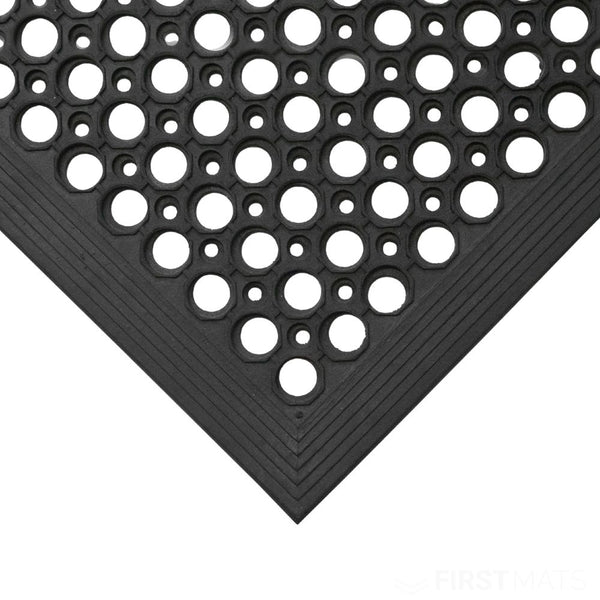
EntraGuard Rubber Door Mat with Holes
The EntraGuard Rubber Door Mat with Holes is built for tough outdoor use, combining durability with smart design. Its open hole pattern scrapes dirt and stones from shoes while allowing…
- Durable Natural Rubber: Long-lasting and wear-resistant material.
- Improved Drainage: Hole pattern removes water and debris efficiently.
- Slip Resistant: Meets EN 13552 Cat R10 standards for safety.
- Temperature Resistant: Performs in extreme conditions from -20°C to +130°C.
From £19.45 + VAT
Carpeted Mats – Better Indoors Than Out
Carpeted mats absorb moisture and dirt, making them ideal indoors. However, outdoors, this absorbency is problematic as mats become soaked quickly.
If you prefer carpet texture outdoors, synthetic fibre mats (brush mats) are a suitable alternative. They have coarse fibres that resist moisture and clean shoes effectively.

Advantages of Synthetic Fibre Mats:
-
Good scraping performance
-
Allows water drainage
-
Durable outdoors
Disadvantages of Carpeted Mats Outdoors:
-
Quickly become waterlogged
-
Difficult to clean
-
Increased slip hazard
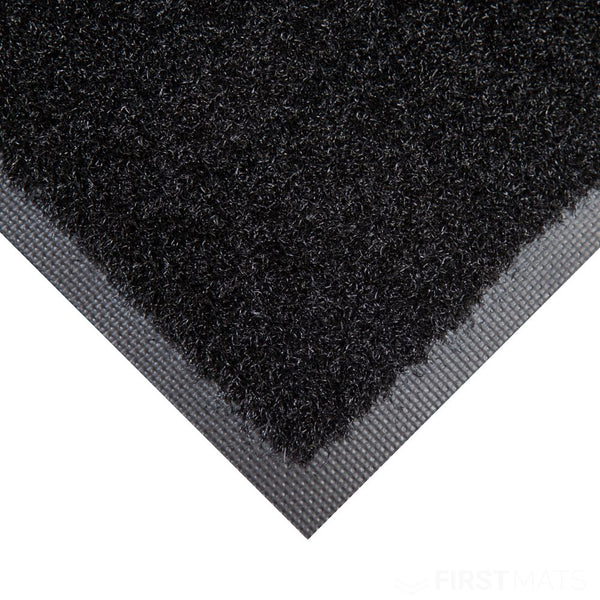
BrushScrape Outdoor Door Mat
The BrushScrape Outdoor Door Mat combines the smart appearance of a carpet-style mat with the durability needed for outdoor use. Its coarse nylon brush pile delivers exceptional scraping power, removing…
- Effective Dirt Removal: Nylon brush fibres scrape away dirt and debris.
- Durable Backing: 100% Nitrile Rubber resists bleach and chemicals.
- UV Resistant: Maintains appearance in direct sunlight.
- Drainage Design: Prevents water build-up for dry and safe surfaces.
From £86.10 + VAT
PVC Mats – An Effective Outdoor Solution
PVC mats are another effective outdoor option. They offer excellent drainage and resist water well, preventing debris build-up.
PVC mats come in various styles and colours, adding flexibility for matching your decor. They're lightweight, easy to move, and simple to clean.
Advantages:
-
Lightweight and easy to handle
-
Good water drainage
-
Variety of designs
Disadvantages:
-
Less durable than rubber mats
-
Can degrade in very cold conditions
Quick Comparison Table
| Material | Durability | Water Drainage | Maintenance | Aesthetics |
|---|---|---|---|---|
| Coir (Pre-made) | Medium | Good | Medium | Excellent |
| Rubber | High | Excellent | Easy | Basic |
| Synthetic Fibre | Medium | Good | Medium | Good |
| PVC | Medium | Good | Easy | Good |
Making the Right Choice
Choosing the right outdoor mat depends on foot traffic, local weather, and personal preferences. Busy commercial settings benefit from durable rubber or PVC mats. Homeowners might prefer coir mats with drainage or synthetic brush mats for balance between functionality and aesthetics.
By understanding each mat's advantages and disadvantages, you can select the best outdoor mat for your specific needs.