


Buying Guides
How to Choose the Best Floor Mat for a Utility Room
A utility room rarely has just one job. It may be a back entrance, laundry area, pet zone and storage space all at once, so the best mat depends on what each part of the room needs to handle. This guide helps you choose between scraper, absorbent, rubber and anti-fatigue styles by looking at dirt, water, cleaning routine, door clearance and layout. The aim is to help you avoid buying a mat that is awkward, bulky or simply wrong for the way your utility room works.

Wet shoes, muddy paw prints and drips from laundry appliances can turn a utility room into the hardest-working floor in the house. The catch is that no single mat type handles every job well, so the right choice depends on what is actually causing the mess in your room.
If your utility room doubles as a back entrance, boot room or laundry space, start by splitting the room into tasks. You may need one mat to scrape dirt at the door, another to catch moisture indoors, or a more practical rubber surface near appliances. That approach usually works better than trying to make one mat do everything.
Start with the main problem in the room
Before looking at materials or sizes, decide what the mat needs to do first. In most utility rooms, the main jobs fall into four groups.
- Scraping off mud, grit and garden debris at the entrance
- Catching tracked-in moisture before it spreads across the floor
- Protecting the floor near sinks, appliances or storage areas
- Giving a more comfortable standing surface for laundry or cleaning tasks
If your room deals with more than one of these, it often makes sense to use two smaller mats in separate zones rather than one large mat across the whole floor. This is especially useful in narrow rooms, L-shaped layouts, or spaces broken up by doors, cupboards and appliances.
Choose the mat type by zone
For muddy traffic at the back door
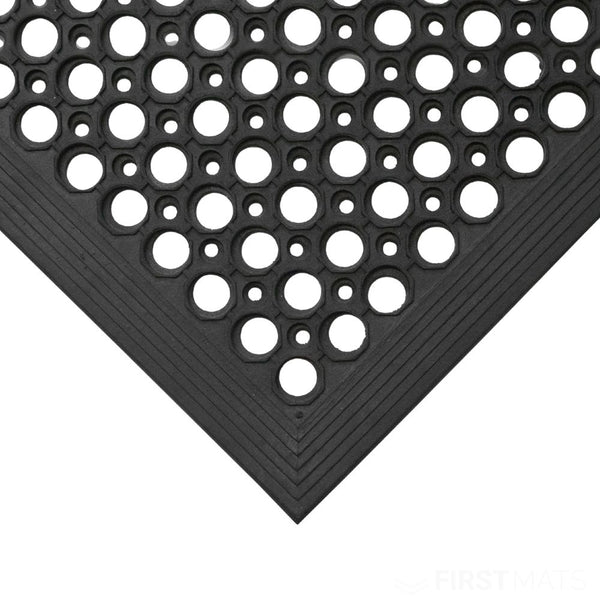
A scraper-style mat is usually the best starting point where people come in from the garden. Its job is to loosen dirt before it reaches the rest of the room. Rubber styles work well here because they cope better with outdoor dirt and do not rely on absorbing moisture.
The EntraGuard Rubber Door Mat with Holes suits this role where the threshold brings in heavier dirt and wet footwear, especially if you want something that can sit at the outer edge of the entrance rather than deeper into the room.
EntraGuard Rubber Door Mat with Holes
The EntraGuard Rubber Door Mat with Holes is built for tough outdoor use, combining durability with smart design. Its open hole pattern scrapes dirt and stones from shoes while allowing…
- Durable Natural Rubber: Long-lasting and wear-resistant material.
- Improved Drainage: Hole pattern removes water and debris efficiently.
- Slip Resistant: Meets EN 13552 Cat R10 standards for safety.
- Temperature Resistant: Performs in extreme conditions from -20°C to +130°C.
From £19.45 + VAT
One trade-off is that rubber scraper mats do not absorb water. They help remove debris and can let water pass through, but they will not dry shoes or hold onto indoor drips in the same way as a textile-faced mat.
For indoor moisture just inside the door

If the main issue is damp footprints rather than clumps of mud, an absorbent entrance mat is often a better fit inside the room. Textile-faced mats can trap finer dirt and take in moisture, which helps if the floor regularly gets marked up by wet traffic.
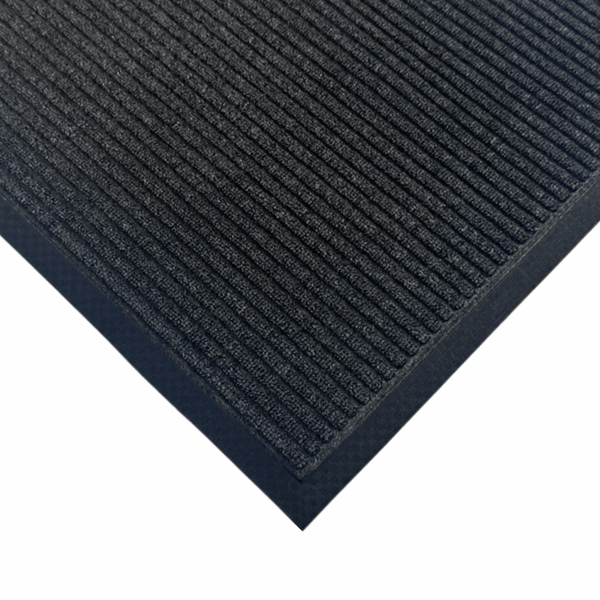
The EntryBrush Ribbed Door Mat is a sensible option for an indoor doorway area where you want a low-profile mat with some scraping action but also a more domestic indoor finish.
EntryBrush Ribbed Door Mat
The EntryBrush Ribbed Door Mat's unique double-ribbed design expertly keeps your floors clean and protected. This innovative pattern effectively scrapes away dirt, stones, and moisture from shoes, ensuring a pristine…
- Double Ribbed Design: Ensures effective brushing and wiping of dirt and stones.
- High Durability: Made from tough polypropylene fibres for heavy use.
- Moisture Retention: Absorbs water effectively, keeping floors drier.
- Non-Slip Backing: Vinyl backing prevents slipping, enhancing safety.
From £30.60 + VAT
If your utility room is more like an internal laundry room than a true boot room, a softer absorbent style may be more useful than a coarse scraper. In that case, look at how often the mat will need drying or cleaning, because absorbent surfaces can hold onto visible dirt between cleans.
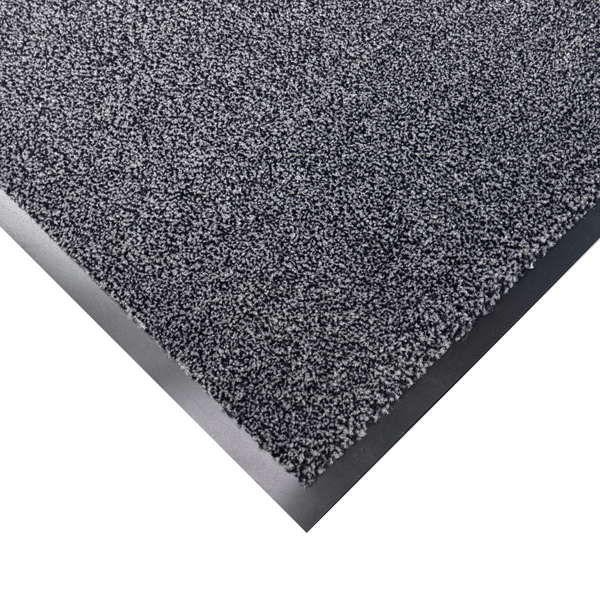
The Eco-Plush Indoor DirtTrap Mat is better suited to indoor utility spaces where moisture control matters more than aggressive scraping and you want the mat to sit neatly in a circulation area.
Eco-Plush Indoor DirtTrap Mat
The Eco-Plush Indoor DirtTrap Mat delivers dependable, hard-wearing performance, making it a smart choice for homes and businesses alike. Its plush, cut-pile surface has a stylish wool-look finish that adds…
- High Absorption: Retains up to 2.4 litres of liquid per square metre.
- Stylish Design: Cut-pile wool-like finish available in Slate Grey and Chestnut Brown.
- Easy to Clean: Simply hose off or spot clean for long-lasting cleanliness.
- Low-Profile Backing: PVC backing helps the mat lie flat and stay in place.
From £31.54 + VAT
For broad floor protection near appliances or storage
Rubber matting rolls and runners are useful when you want to cover a wider strip of floor near appliances, shelving or work areas. They make more sense when the aim is surface protection and practical coverage rather than dirt trapping.

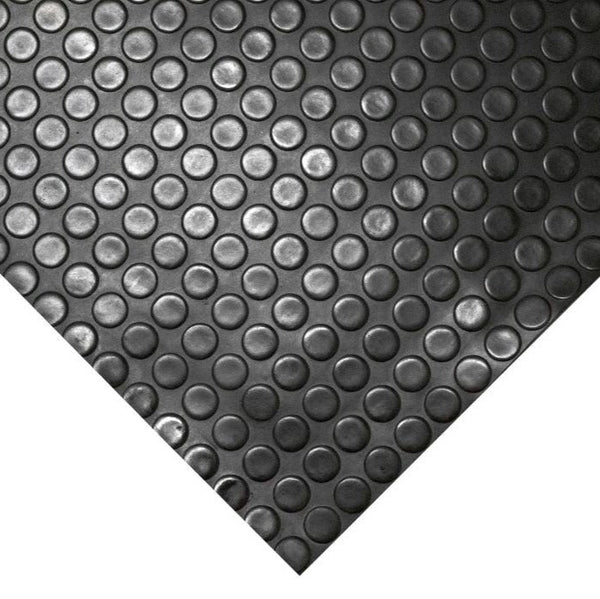
Studded Rubber Coin Matting Roll works well for this kind of zone because it can be cut to length, which helps in awkward utility rooms where standard mat sizes leave gaps or clash with cupboards and white goods.
Studded Rubber Coin Matting Roll - Cut to Size
Studded Rubber Coin Matting Roll Enhanced Durability and Grip: Our Studded Rubber Coin Mating is crafted from a blend of natural and synthetic rubber, offering a robust surface that easily…
- Durable Material: Crafted from a natural and synthetic rubber blend for high performance.
- Slip-Resistant Surface: Studded coin pattern enhances grip and safety.
- Custom Sizes Available: Standard rolls or made-to-measure lengths.
- Chemical Resistance: Resists mild acids and alkalis for spill-prone areas.
From £159.85 + VAT
The trade-off is that a rubber roll will not absorb drips. It can protect the floor surface and is straightforward to wipe down, but water may remain on top until you clean it. That makes it less suitable as the only mat right inside a busy back door.
For standing at a sink, counter or laundry area
If you spend time sorting washing, cleaning or working at a utility sink, comfort underfoot may matter as much as dirt control. In that case, an anti-fatigue style can be useful in one fixed standing position rather than across the full room.
A Non-Slip Rubber Floor Mat is the sort of mat to consider for a standing workstation in the utility room, where you want a more forgiving surface underfoot and a rubber construction that suits a practical, wet-prone area.
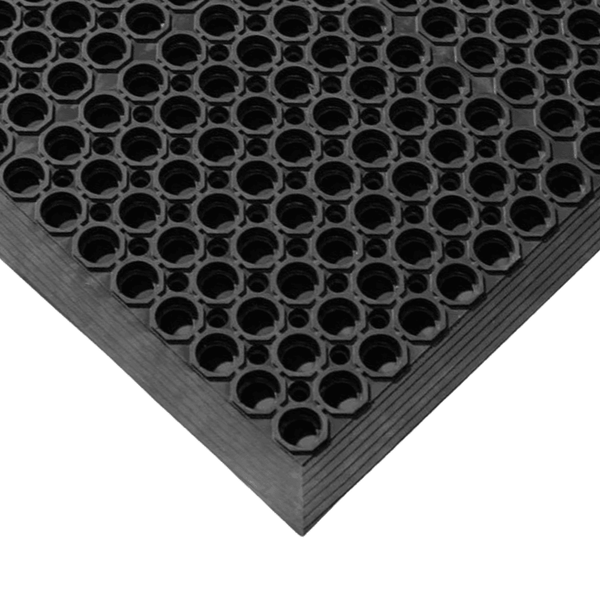
Kitchen Non-Slip Rubber Floor Mat
The Kitchen Non-Slip Rubber Floor Mat is a practical choice for busy commercial kitchens, offering comfort underfoot and reliable slip resistance in wet or dry areas. Made from durable natural…
- Natural Rubber Construction: Combines comfort and durability for intensive use.
- Honeycomb Surface: Enhances grip and fatigue resistance.
- Effective Drainage: Mat wells remove liquids to keep areas safe.
- Versatile Application: Suitable for wet or dry environments.
From £19.45 + VAT
Check the thickness carefully before choosing this type. A deeper mat may feel better in use, but it can obstruct doors or create an awkward edge if placed in a narrow walkway.
Rubber vs textile: which is better for a utility room?
Neither is always better. It depends on what the room needs the mat to do.
When rubber makes more sense
- You expect heavier dirt, grit or outdoor debris
- You want a mat that is easy to hose down or wipe clean
- You need practical floor coverage near appliances or storage
- You prefer a surface that does not stay fabric-damp after use
Rubber is often the more practical choice for dirty jobs, but it usually does not deal with indoor moisture as neatly as an absorbent textile surface.
When textile-faced mats make more sense
- You want to catch fine dirt and damp footmarks indoors
- You need a mat just inside the door rather than outside it
- You want a lower-profile mat in a walkway
- You prefer a mat that looks more at home in an interior space
Textile-faced mats are often better at dealing with repeated damp foot traffic, but they can be less suitable for heavy mud and may need more frequent cleaning to keep them looking tidy.
Get the size and placement right
Many utility room mat problems come from size and placement rather than the material itself. A mat that is too small will miss the mess. A mat that is too large may be awkward to lift, block access to appliances or catch under the door.
Measure the clear floor area, then think about how people actually move through the room. Common placements include:
- Directly inside or outside the back door for shoe traffic
- In front of the sink or worktop for standing tasks
- Alongside washing machines or storage where you want floor protection
- In a narrow run between door and appliance bank, where a runner shape works better than a standard rectangle
If the room is an unusual shape, a made-to-measure option can be easier to live with than trying to force a standard mat into the space.
The Premier-Plush Made to Measure Door Mat is useful when the utility room has a non-standard walkway or a long narrow section where off-the-shelf sizes leave exposed flooring.
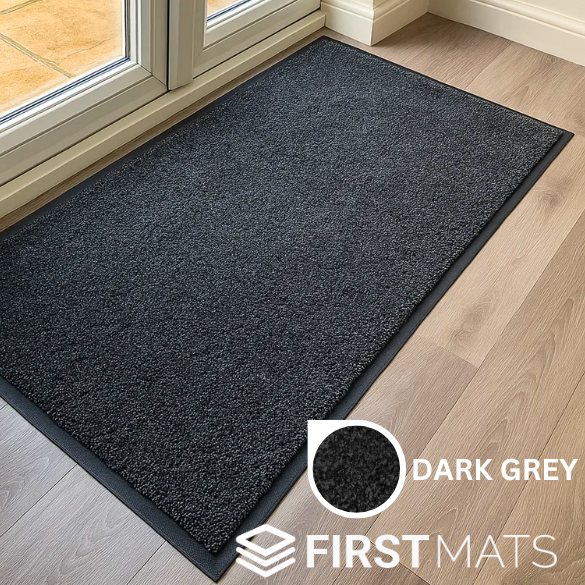
Premier-Plush Made to Measure Door Mat
The Premier-Plush Made to Measure Door Mat is the ideal choice for anyone who needs a mat tailored to their exact space. With widths from 50cm to 150cm and lengths…
- Custom Size Options: Available in widths from 50cm to 150cm and lengths from 100cm to 550cm.
- Superior Absorption: Traps moisture and dirt to keep entrances clean.
- Durable & Long-Lasting: Heavy-duty construction withstands high foot traffic.
- Non-Slip Backing: Smooth for hard floors, claw for carpets.
From £0.83 + VAT
This can be especially helpful in homes where the utility room acts as a passage rather than a single stopping point. Still, custom sizing does not remove the need to check door swing, thresholds and turning areas around appliances.
Check thickness, lifting and cleaning before you buy
A mat can look right on paper and still be wrong in daily use. In utility rooms, three practical checks matter more than people expect.
Door clearance
Always check mat height against the door. Thick rubber or cushioned mats may not suit tight thresholds, especially in small back entrances.
Ease of lifting
If you mop often or need access to the floor below, think about how easy the mat will be to move. A larger, heavier mat may protect more floor area but can be annoying if you need to lift it regularly.
Cleaning routine
Choose a mat that matches how you actually clean the room. Rubber tends to suit wipe-down or hose-down cleaning. Textile-faced mats tend to suit vacuuming and spot cleaning, with deeper cleans as needed. If you know you will not want to move a large mat often, split coverage into two smaller mats instead.
A simple way to decide
If shoes bring in mud from outside, start with a scraper mat near the entrance. If the floor mostly suffers from damp indoor traffic, choose an absorbent indoor mat. If you need wider floor protection near appliances, look at rubber matting rolls or runners. If you stand in one place for laundry tasks, add an anti-fatigue mat only in that working spot.
Match the mat to the job, not the room name, and you will usually end up with a utility room that is easier to clean and easier to use.