Rubber Sheet

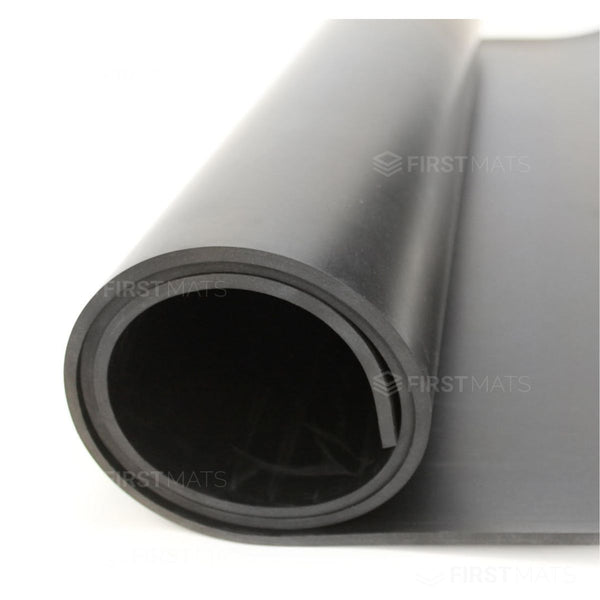
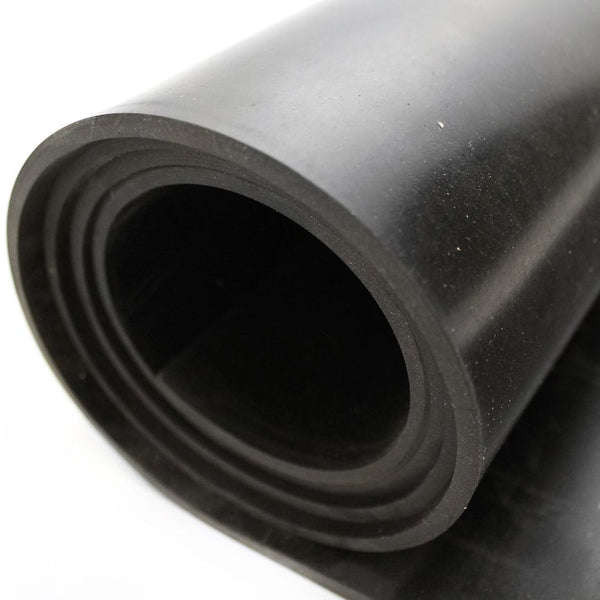
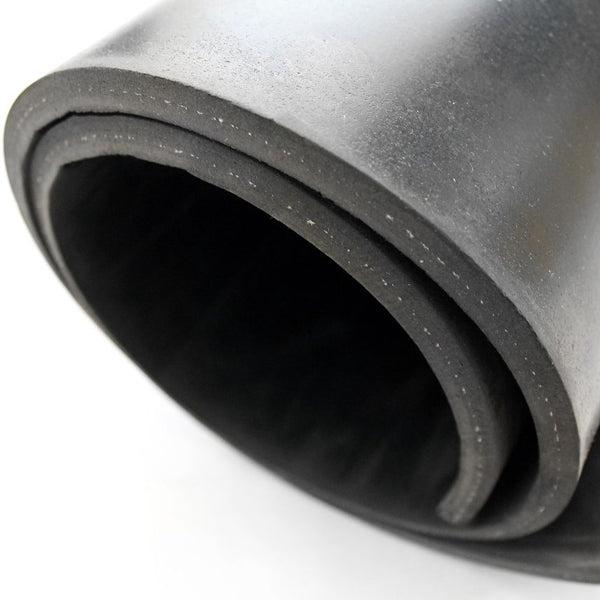
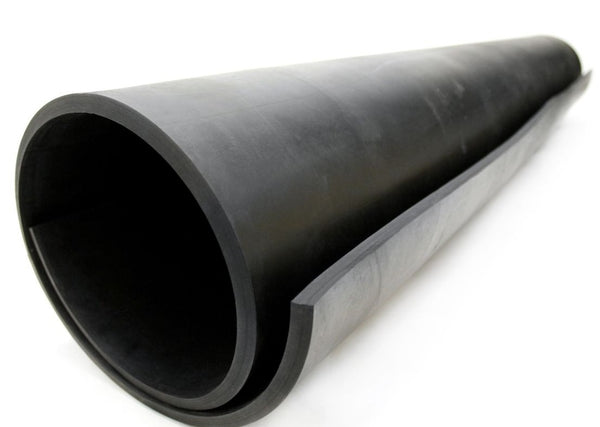
Durable rubber sheeting for industrial and site-based use. Natural, Nitrile, EPDM and Neoprene grades resistant to oils, chemicals and weathering. Supplied by the roll or cut to size.

Durable, versatile rubber sheeting for industrial, commercial and site-based applications. Choose from Natural, Nitrile, EPDM and Neoprene grades with reliable resistance to oils, chemicals, weathering and abrasion, supplied by the roll or cut to size for gaskets, seals, packing and surface protection, with fast UK delivery.

Rubber Sheet
Buying guide

Which entrance mat do I need?

Position, footfall, scrape vs absorb, size — a two-minute read.

Durable, versatile rubber sheeting for industrial, commercial and site-based applications. Choose from Natural, Nitrile, EPDM and Neoprene grades with reliable resistance to oils, chemicals, weathering and abrasion, supplied by the roll or cut to size for gaskets, seals, packing and surface protection, with fast UK delivery.

Need help choosing?

Chat to our matting team

3,000+ five-star reviews
Fast UK-wide delivery
Expert advice, always
Why Rubber Sheets Matter

Why Rubber Sheets Matter

Rubber sheets are essential materials across a wide range of industrial, commercial and construction applications.

Known for their durability, flexibility and resistance to wear, rubber sheeting is commonly used to create gaskets, seals, protective coverings and working surfaces, as well as for packing, spacing and vibration isolation.

In construction and site-based environments, rubber sheets are often used for temporary floor protection in site cabins, safeguarding surfaces during fit-out work, and reducing impact or movement beneath equipment.

Available by the roll or cut to size, rubber sheets provide a practical and reliable material choice for projects that demand performance, adaptability and consistent quality.

Key Advantages of Rubber Sheets

Key Advantages of Rubber Sheets

Choosing high-quality rubber sheeting comes with several benefits:

  • Cut to size ordering: Many products are available by the centimetre as well as in full rolls.
  • Wide thickness choice: Order from 1.5mm up to 25mm depending on the grade.
  • Material-specific performance: Choose SBR, EPDM, nitrile, neoprene, reinforced insertion or food grade white rubber to suit the job.
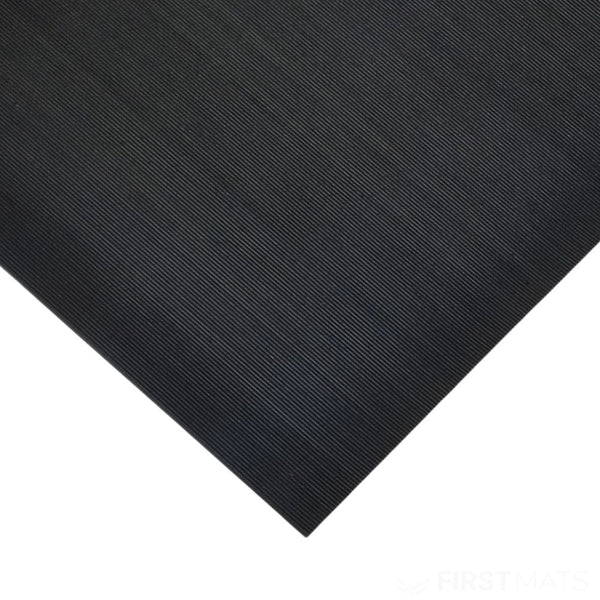
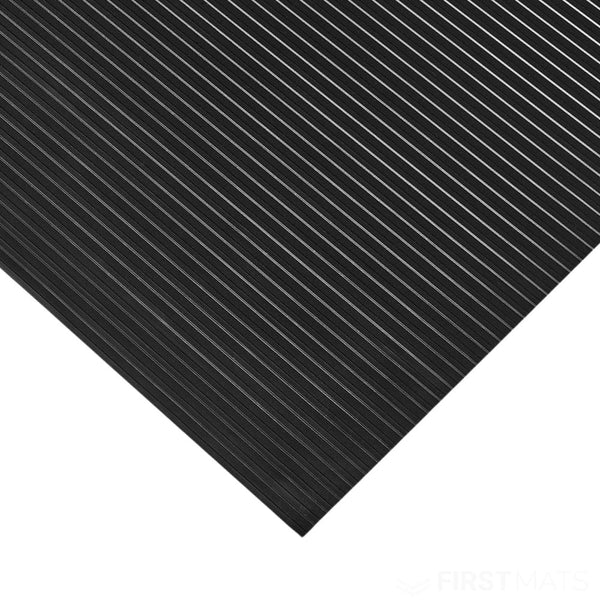
  • Smooth or textured finishes: Select plain sheeting for gaskets and packing, or ribbed, shotblast and studded finishes for grip and floor protection.
  • Suitable for trade and industrial use: Common uses include seals, bench covers, anti-slip walkways, workshop flooring, vibration isolation, lining and temporary surface protection.
  • Easy to compare by application: Outdoor weather exposure, oil contact, abrasion, hygiene requirements and load protection can all be matched to the correct type.
How to Choose the Right Rubber Sheet

How to Choose the Right Rubber Sheet

Choosing the right rubber sheet depends on the material properties and how it will be used. Different rubber types perform better in different environments, so it’s important to consider the following factors:

Start with the rubber type:

  • General purpose natural rubber / SBR: A cost-effective choice for packing, gaskets, seals, surface protection and general industrial use where oil resistance is not the priority.
  • Nitrile rubber (NBR/SBR): Better suited to oils, greases and fuels, making it a common choice for garages, engineering and plant maintenance.
  • EPDM rubber: Best for outdoor use, weather exposure and resistance to UV and ozone.
  • Neoprene rubber (CR/SBR): A strong all-round option for seals, isolation, lining and mechanical applications.
  • Reinforced insertion rubber: Includes an internal fabric layer for added stability in more demanding uses.
  • Food grade white rubber: Used where a cleaner, food-contact-suitable rubber sheet is required.

Then choose the thickness:

  • 1.5mm to 3mm: Better for lighter seals, fine cutting work, lining and flexible packing pieces.
  • 4mm to 6mm: A useful mid-range thickness for general workshop use, bench protection, flooring overlays and site tasks.
  • 8mm to 12mm: Better where you need more cushioning, spacing, impact absorption or a heavier-duty barrier.
  • 20mm to 25mm: Used for substantial packing, load distribution and thicker protective layers.

Environment: Consider the conditions the rubber sheet will be exposed to, including foot traffic, mechanical stress, oils, chemicals, moisture or outdoor weather. Matching the material to the environment helps ensure long-term performance and durability.

Frequently asked questions

The things shoppers ask us most about entrance matting.

  • Yes. Many of our rubber sheet rolls are available in custom lengths, so you can order the amount needed for your application rather than only full rolls. This is especially useful for gaskets, lining, floor protection, packing pieces and bench coverings.

  • The orderable range on this collection runs from 1.5mm up to 25mm, depending on the material and product type. Thinner gauges are suited to seals and lining, while thicker rubber sheet is more commonly used for protection, spacing, impact reduction and heavier-duty industrial tasks.

  • EPDM rubber sheet is usually the best choice for outdoor use because it offers strong resistance to weathering, UV and ozone. It is a practical option for external sealing, weather-exposed linings and general outdoor commercial applications.

  • Several rubber sheet types are used on construction sites, depending on the application. General-purpose natural rubber is commonly used for packing, spacing, vibration isolation and temporary surface protection. Shotblast rubber is also widely used due to its high abrasion and slip resistance, particularly in site cabins, workshops and welfare areas.

    For more specific needs, reinforced insertion rubber may be used where extra strength and stability are required, while EPDM rubber is suitable for outdoor or weather-exposed applications due to its resistance to UV and ozone.

  • Yes, rubber sheeting is widely used by builders and DIYers for practical tasks such as packing and spacing, surface protection during building work, vibration reduction under appliances or equipment, and workshop or utility room flooring. General-purpose natural rubber is the most commonly used option due to its durability, ease of cutting and cost-effectiveness.

    Heavier-duty options such as shotblast rubber are also popular for garages, sheds and work areas where slip resistance and abrasion resistance are important. For outdoor detailing or weather-exposed applications, EPDM rubber is often chosen for its resistance to UV and weathering.

  • For most DIY and general building tasks, general-purpose natural rubber sheet is the best starting point. It is easy to cut, tough enough for site use, and suitable for packing, protection and vibration isolation. Where additional grip or durability is needed, such as in workshops or garages, shotblast rubber is a practical alternative.

  • Nitrile rubber sheet is the usual choice where the material will come into contact with oils, greases or fuels. It is widely used in engineering, maintenance and automotive settings where general purpose SBR would not be the best fit.

  • Yes, detailed specifications and test data are available for all our rubber sheets to help ensure the right choice for your needs.

  • General purpose rubber sheet is a plain, flexible material commonly used for packing, seals, protection and everyday industrial tasks. Reinforced insertion rubber uses a similar rubber compound but includes an internal fabric layer, giving the sheet more stability and making it better suited to more demanding applications.

  • Yes. Many products in this collection can be ordered in custom lengths by the centimetre, as well as in set roll sizes. This is useful if you need rubber sheeting for bench tops, shelf lining, floor protection, packing strips or one-off fabrication work without buying more material than you need.

  • That depends on the job. Thinner rubber sheet, such as 1.5mm to 3mm, is usually chosen for seals, lining and flexible packing. Mid-range thicknesses like 4.5mm to 6mm are often used for general workshop, flooring and protection tasks. Thicker options such as 10mm, 12mm, 20mm and 25mm are better where cushioning, spacing, impact absorption or load spread are more important.

  • Textured rubber sheeting is commonly used where extra grip or surface durability is needed. Fine ribbed, wide ribbed, shotblast and studded coin finishes are often chosen for walkways, van floors, work areas, shelf lining, bench protection and other commercial or industrial spaces where a plain smooth sheet may be too slippery.

Further Reading for Rubber Sheet

Helpful buying guides and advice related to this collection.

View all articles