Buying Guides
The Nursery Manager’s Guide to Safer Matting

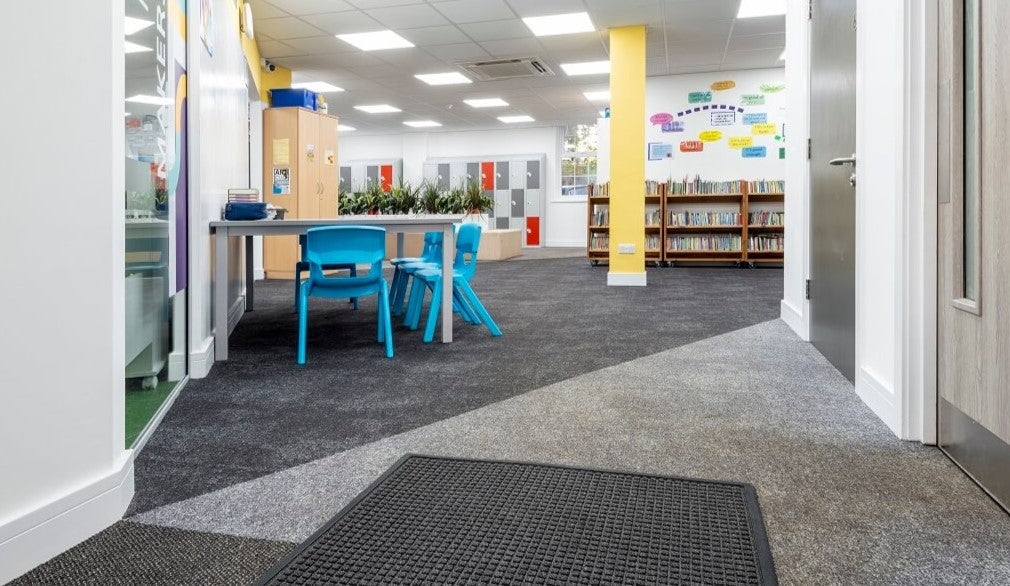
Nursery life is active, creative, and inevitably messy. Outdoor play, free-flow movement, art activities, and frequent parent drop-offs all mean moisture, dirt, and spillages are part of everyday life, particularly around entrances, cloakrooms, and play areas.
At First Mats, we work with nurseries and early years providers who need mats that support safety without disrupting how children move and play. The right matting helps reduce slip risks, keeps rooms cleaner, and creates safer transitions between outdoor and indoor spaces for children, staff, parents, buggies, and mobility aids.
The EYFS Statutory Framework requires providers to take reasonable steps to keep children, staff, and visitors safe, as set out in Section 3 (Safeguarding and welfare requirements). While the framework does not prescribe specific products, well-chosen nursery matting is a simple, visible way to support an Ofsted-ready environment, helping to maintain safer floors, better hygiene, and clear access routes throughout the setting.
Part 1: The Entrance (“The Buggy Battle”)
The challenge: Nursery entrances are not like office lobbies. You’re dealing with double buggies, muddy shoes, toddlers who shuffle (and don’t lift their feet), and parents trying to manoeuvre through the door one-handed. If the mat is too thick, too soft, or curls at the edges, it becomes a trip point, and a daily frustration.
The "no-go" mat for nurseries: natural coir
Natural coir can look appealing, but in early years settings it often causes problems:
- Bristle shedding: loose fibres can end up where babies crawl and explore (not what you want around mouths).
- Staining: it marks easily after wet days and repeated cleaning.
- High friction: it can feel “grabby” under buggy wheels and makes pushchairs harder to roll smoothly.

A safer alternative: synthetic “coir look” (polypropylene)
The experts at First Mats suggest using Polypropylene “coir alternative” matting gives the natural look without the same shedding risk, and it is firmer and easier for wheels. It’s also more stain-resistant, which helps the entrance stay presentable for parents.
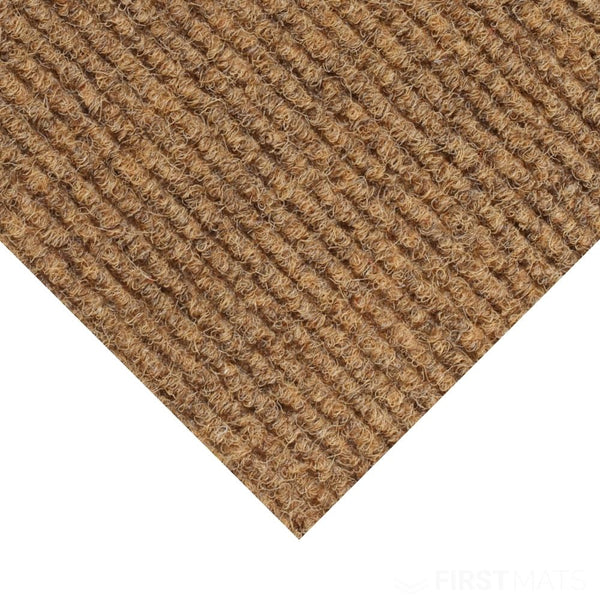
12mm Brush Matting - Synthetic Coir - Made to Measure
The 12mm Synthetic Coir Brush Matting is a smart alternative to traditional coir, offering the same dirt-scraping performance without the downsides. Made from durable polypropylene fibres, it won’t shed like…
- Durable Synthetic Fibres: Made from looped polypropylene for a long-lasting, non-shedding surface.
- Lower-Height Coir: 12mm thickness makes it perfect for shallow recesses.
- Secure Backing: Granulated rubber and latex base prevents slipping and movement.
- Easy to Maintain: Synthetic fibres are less prone to staining and require minimal upkeep.
From £125.93 + VAT
The setup that prevents trips: recessed mat wells (flush-fit)
If your mat sits “on top” of the floor, toddlers will catch toes on edges and parents will trip while handling children and bags. A recessed well keeps the mat flush with the floor, which is better for:
- Toddler safety: fewer raised edges = fewer trips
- Buggy & stroller access: smoother roll-through
- Wheelchair access: less resistance and snagging

Accessibility matters under the Equality Act 2010, which requires reasonable adjustments so disabled children and parents can access services without unnecessary barriers.
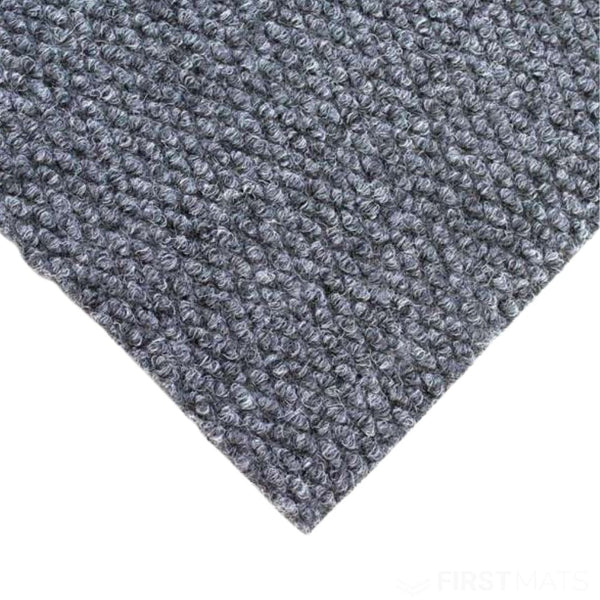
EntraNib Heavy-Duty Borderless Barrier Matting
The EntraNib Heavy-Duty Borderless Barrier Matting is designed for high-traffic commercial entrances, corridors, and mat wells where safety, cleanliness, and a seamless finish are essential. With a robust nibbed pile…
- Heavy-Duty Material: Made from solution-dyed polypropylene for durability.
- Effective Moisture Control: Absorption rated 4/5 for retaining water.
- High Soil Resistance: Rated 4/5 for trapping dirt and debris.
- Safety Features: Flame retardant, UV resistant, and slip-resistant.
From £91.81 + VAT
Part 2: Hygiene & Infection Control (Practical, not perfect)
The challenge: Nurseries are high-contact environments. Mud, spills, and “sickness bugs” can move quickly through a setting. You can’t eliminate germs entirely, but you can make cleaning faster and more effective, especially at the door where most contamination arrives.
Washable entrance mats (your “reset button” after a messy day)
Fixed carpet at the entrance is hard to sanitise quickly. Washable mats are a simple advantage: you can remove them and wash them after a sickness incident or during high-risk seasons, then put them straight back.

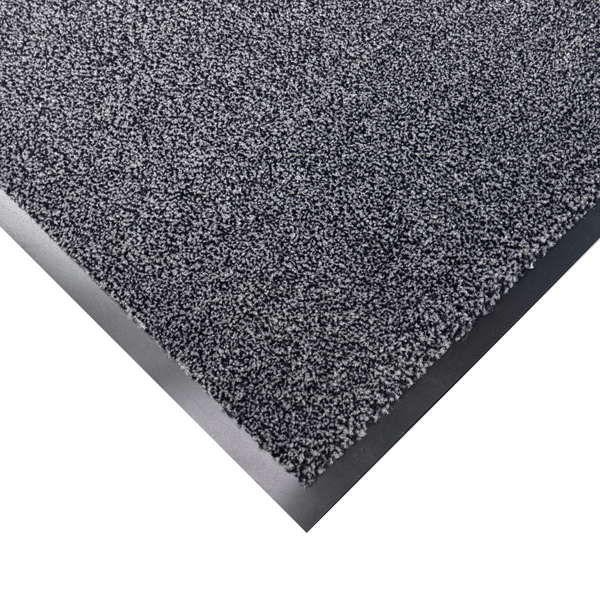
Eco-Plush Indoor DirtTrap Mat
The Eco-Plush Indoor DirtTrap Mat delivers dependable, hard-wearing performance, making it a smart choice for homes and businesses alike. Its plush, cut-pile surface has a stylish wool-look finish that adds…
- High Absorption: Retains up to 2.4 litres of liquid per square metre.
- Stylish Design: Cut-pile wool-like finish available in Slate Grey and Chestnut Brown.
- Easy to Clean: Simply hose off or spot clean for long-lasting cleanliness.
- Low-Profile Backing: PVC backing helps the mat lie flat and stay in place.
From £31.54 + VAT
Logo mats (the “professional” touch that also hides everyday dirt)
Parents judge a setting in the first 10 seconds. A logo mat supports trust and professionalism while still doing the real work: trapping dirt and moisture at the entrance so it doesn’t reach classrooms.

For slip-risk reduction guidance in education settings, see: HSE: Slips and trips in education . Their message is consistent: control wet contamination and use entrance matting that’s effective enough to reduce tracked-in water.
Part 3: Outdoor Play & Safety (“The Critical Fall”)
The challenge: Children climb. Falls happen. What matters is what they land on. A fall onto concrete or tarmac can cause serious injury, especially around climbing frames, play towers, and slides.

What “Critical Fall Height (CFH)” means in plain English
CFH is the maximum height a child can fall from where the surface is designed to reduce the risk of severe head injury. This is tested under BS EN 1177 (impact-attenuating playground surfacing). In practice: if equipment is 1.5m high, your surfacing should be rated to a CFH of at least 1.5m for the relevant area.
(If you want a readable overview of the standard’s purpose, see: Playground safety surfacing standards (overview including BS EN 1177 and CFH) .)
Rubber playground mats (safer landings + “free flow” friendly)
Rubber playground mats help in three ways:
- Impact absorption: reduces injury risk around climbing equipment (CFH-rated options)
- Mud control: reduces churned mud patches so outdoor areas stay usable longer
- Biophilic design: many systems allow grass/natural look to show through, supporting a calmer, nature-friendly environment
This supports “free flow” play by keeping indoor–outdoor movement realistic even in wet seasons, without turning entrances and thresholds into slip zones.
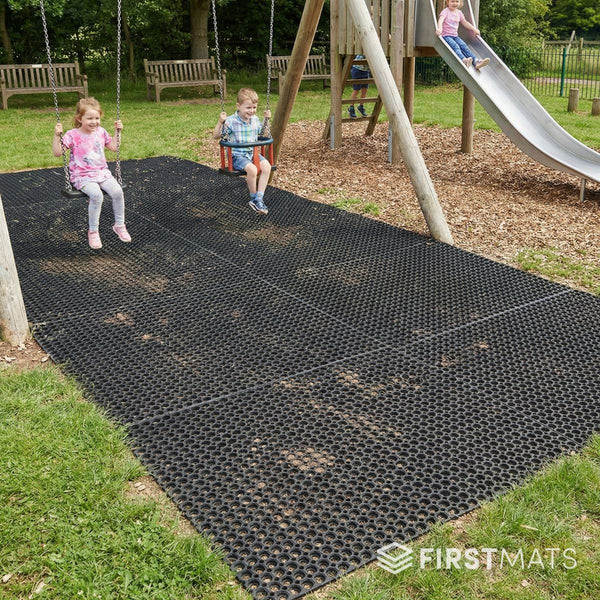
Playground Rubber Grass Mats
Playground Rubber Grass Mats provide a practical way to reinforce natural grass surfaces while maintaining a safe, child-friendly environment. Designed to stabilise soft ground, they prevent outdoor play areas from…
- Impact Resistant: Meets EN1177.2018 Critical Fall Height standards.
- Durable Rubber: Ideal for popular outdoor play areas.
- Slip-Resistant Surface: Reduces the risk of slips and falls.
- Stabilises Soft Ground: Can be partly submerged for permanent use.
From £24.50 + VAT
Nursery Safety Audit (Copy/Paste for Daily Checks)
Nursery Manager’s 5-Minute Safety Check
- [ ] The “Bristle Test”: If you use natural coir, rub it firmly. If fibres come loose, treat it as a risk in baby/crawling areas. Consider switching to synthetic polypropylene.
- [ ] The “Buggy Push”: Can a parent push a double buggy through the entrance with one hand? If not, the mat is too soft/thick. Switch to low-profile, firm matting.
- [ ] The “Trip Trap”: Does the mat sit on top of the floor with a raised or curled edge? Toddlers shuffle-walk and will trip. Install recessed well matting (flush-fit).
- [ ] The “Fall Zone”: Check beneath climbing equipment. If a fall would land on hard ground, install impact-attenuating surfacing rated to the correct Critical Fall Height (BS EN 1177).
- [ ] The “Wet Trail”: After rain, is water being tracked into rooms? If yes, increase entrance mat coverage and ensure mats are large enough to do the job (see HSE education slips guidance).
Useful references (for your risk assessment file)
- EYFS Statutory Framework (GOV.UK) — Section 3: safeguarding and welfare requirements
- HSE: Slips and trips in education
- Equality Act 2010 (Legislation.gov.uk) — accessibility and reasonable adjustments
- BS EN 1177 — Impact attenuating playground surfacing (Critical Fall Height testing)