Buying Guides
Best Floor Mats for Waste Management and Recycling Centres

Waste management and recycling centres operate in some of the most demanding working environments. High foot traffic, constant exposure to liquids and debris, and contact with oils, chemicals, and other contaminants place significant pressure on floors and walkways throughout the site.
At First Mats, we supply matting products used in waste and recycling facilities where safety, hygiene, and durability are critical. The right floor mats help reduce slip risks, improve drainage in wet areas, support cleaner walkways, and provide more secure footing for staff working in challenging conditions.
This guide explains how to choose appropriate waste management and recycling centre mats based on the specific work area and hazards involved, helping operators select matting that performs reliably across the site.
Why Floor Mats Matter in Waste and Recycling Facilities
Recycling centres and waste handling sites face a daily mix of slip risks, contamination, and staff fatigue. Floor mats help in three critical ways:
1. Improving Safety
Wet floors, oil residues, and scattered debris create constant slip and trip hazards. The right matting provides better grip underfoot, helps liquids drain away, and offers a stable working surface with visible edging to reduce trips.
2. Controlling Contamination
Footwear spreads waste, dust, and fragments across floors. Mats act as a barrier, scraping contaminants from boots and helping to prevent cross-contamination between zones.
3. Enhancing Staff Comfort
Workers in sorting, processing, and picking areas stand for long periods. Anti-fatigue mats relieve pressure on the feet, legs, and back, contributing to better wellbeing and productivity.
Things to Consider Before Choosing a Mat
Different zones within a recycling centre require different mat types. Before selecting matting, consider:
- What contaminants are present (liquids, oils, swarf, sharp fragments)?
- How long staff stand in one place.
- Whether the mat requires drainage.
- If the area is indoors, outdoors, or transitional.
- Whether footwear traffic carries debris from one zone to another.
By matching the mat to the task, you help ensure durability and long-term effectiveness.
Mats for Sorting and Processing Areas

Sorting, separating, and processing lines demand the toughest matting on the site. These areas involve long periods of standing, heavy contamination, and constant movement.
Key Features to Prioritise
- Anti-fatigue properties: Essential for staff who stand for extended shifts.
- Rubber construction: More durable and water resistant than foam alternatives.
- Drainage holes or grid surfaces: Allow liquids, debris, and waste to fall through rather than pool on the surface.
- Oil and chemical resistance: Nitrile rubber or protective top layers help withstand oils, greases, and chemicals common in waste handling.
- Bevelled or high-visibility safety borders: Help prevent trips and highlight mat edges.
Recommended Options
For wet or contaminated zones:
Where liquids, oils, and debris are common, First Mats suggest using mats that are water resistant and allow fluids to drain away so the surface underfoot stays as slip resistant as possible. A mat with drainage holes and a cushioned rubber construction is ideal here. Our Rubber Anti-Fatigue Mat with Holes meets these needs, combining effective drainage with long-lasting comfort for staff in demanding sorting or processing areas.
Non-Slip Rubber Anti-Fatigue Mat
First Mats recommendationThe Non-Slip Rubber Anti-Fatigue Mat is a practical choice for busy workshops, factories, and wet work areas. Designed to provide reliable comfort and grip, it supports staff through daily standing…
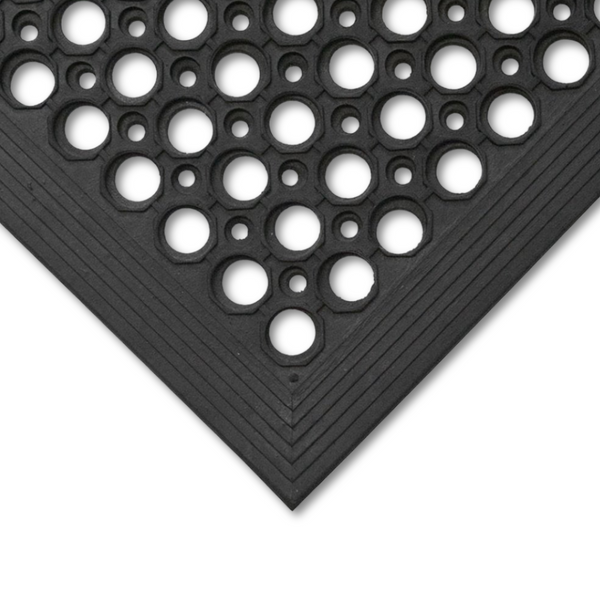
- Swarf Management: Holes trap swarf and isolate debris for easy cleaning.
- Slip Resistant: Rated 4/5 for secure footing in wet and dry conditions.
- Anti-Fatigue Comfort: Reduces discomfort with a 4/5 fatigue rating.
- Durable Construction: Made from natural rubber for long-term reliability.
From £24.90 + VAT
For mostly dry standing areas:
In areas where comfort is the main priority, and spills are infrequent, an industrial anti-fatigue mat can help reduce fatigue without the need for drainage holes. Standard foam-based mats are likely to wear quickly in waste-handling environments, so a more robust construction is recommended.
Elite Vinyl-Top Anti-Fatigue Mat
First Mats recommendationThe Elite Vinyl-Top Anti-Fatigue Mat features a tough, wear-resistant vinyl surface that stands up to demanding industrial use. It’s built to handle boots, trolley wheels, and heavy foot traffic without…
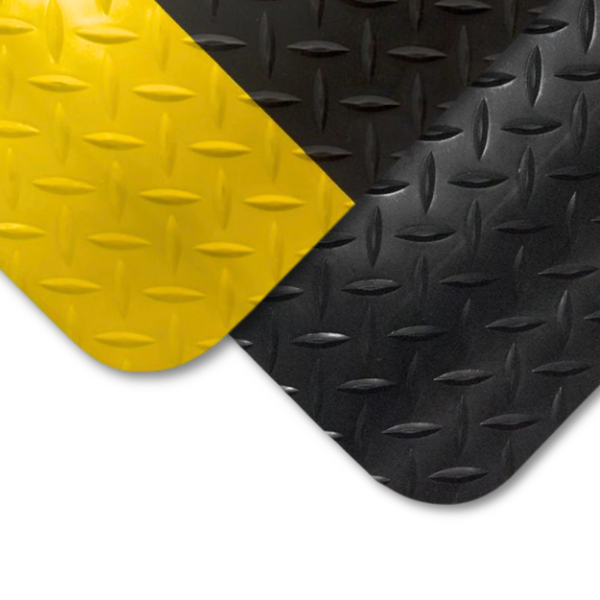
- Exceptional Cushioning: 14mm thick foam backing for maximum comfort.
- Durable Vinyl Surface: Resists wear and tear in heavy-duty environments.
- Enhanced Grip: Diamond pattern reduces slips and improves safety.
- Custom Sizes: Options available up to 18.3m in length.
From £51.87 + VAT
A mat with a durable protective surface, such as the Vinyl-Topped Anti-Fatigue Mat with Yellow Safety Border from First Mats, provides the cushioning required while the vinyl top layer improves durability and makes cleaning easier. The yellow border also improves edge visibility to help reduce trip risks.
For multiple anti-fatigue applications:
If your site has several different workstations with varying requirements, a wider choice of mat styles can be helpful. The Anti-Fatigue Mats Range includes options for wet and dry areas, helping you select the most appropriate mat for each task.

Mats for Entrances and Walkways
Entrances and walkways are key points where contamination spreads between operational areas and cleaner spaces such as offices and welfare cabins. Using the right recycling centre mats here helps prevent dirt and waste from travelling further into the facility.
Heavy-Duty Scraper Mats for Building Entrances
For building entrances exposed to dirt and moisture:
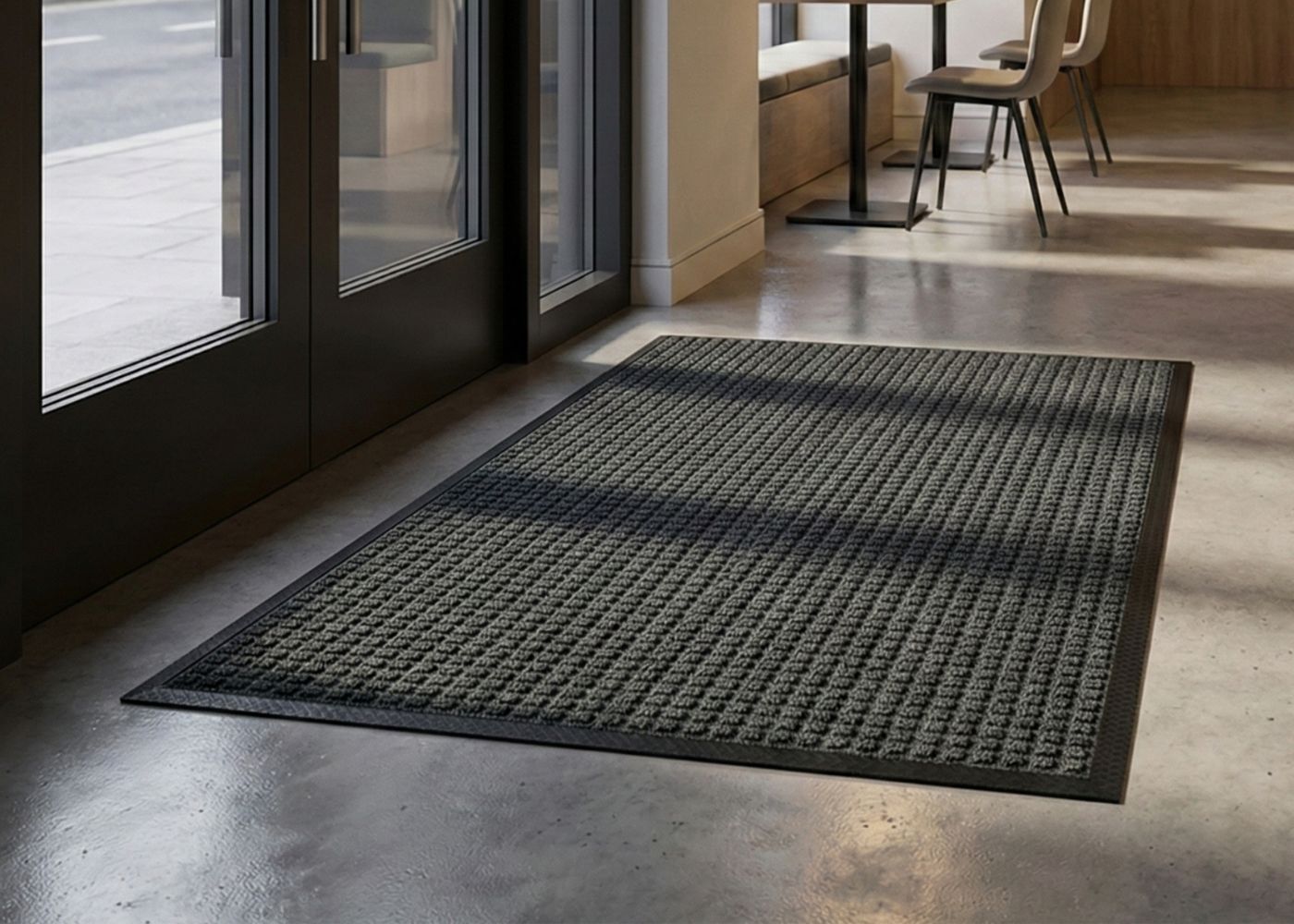
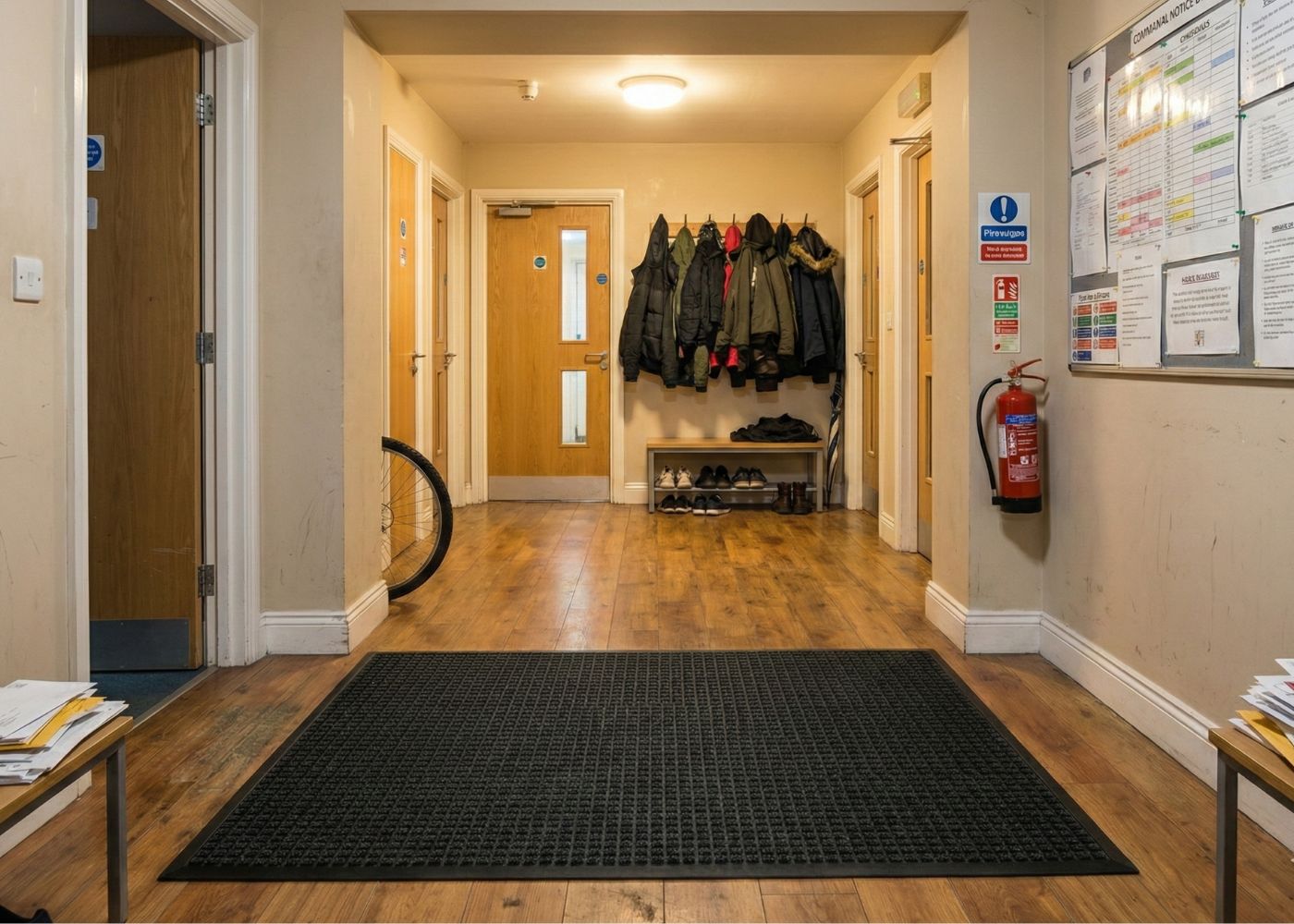
Where staff and visitors enter from outdoor or operational areas, you need mats that scrape off stubborn debris and absorb moisture before it reaches internal floors. A robust scraper mat with a textured surface and strong backing is ideal. First Mats' Site Cabin Mat is designed for this type of environment, providing heavy-duty scraping performance and helping to protect internal floors in offices, welfare cabins, and control rooms.

For high-traffic external and internal thresholds:
Busy doorways that see continuous traffic throughout the day require thicker, more durable mats that can handle repeated use without breaking down.
The Heavy-Duty Entrance Mats range offers options designed specifically to capture dirt and moisture from heavy foot traffic, helping to maintain cleaner, safer entrance areas across the site.
AquaProtect Super Absorbent Door Mat
First Mats recommendationThe AquaProtect Super Absorbent Door Mat is made for entrances that have to deal with wet weather, muddy shoes, and heavy daily footfall. Holding up to 6 litres of water…
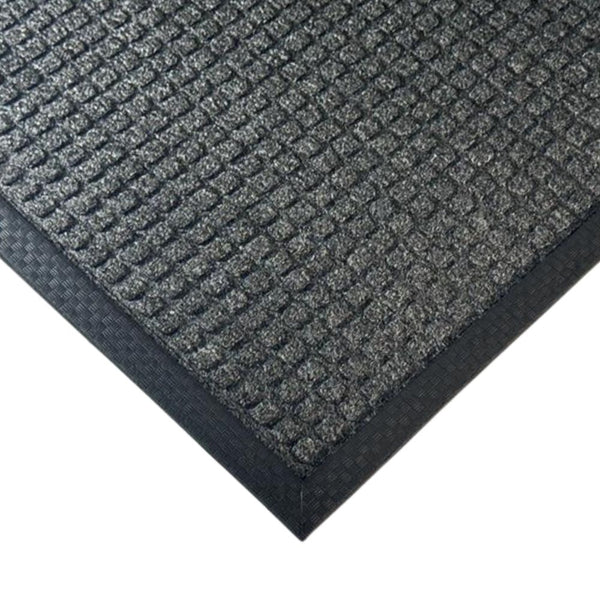
- Super Absorbent: Holds up to 6 litres of water per square metre.
- Highly Durable: 10.5mm thickness with Decalon fibres for long-lasting use.
- Non-Slip Design: Rubber backing prevents movement on smooth floors.
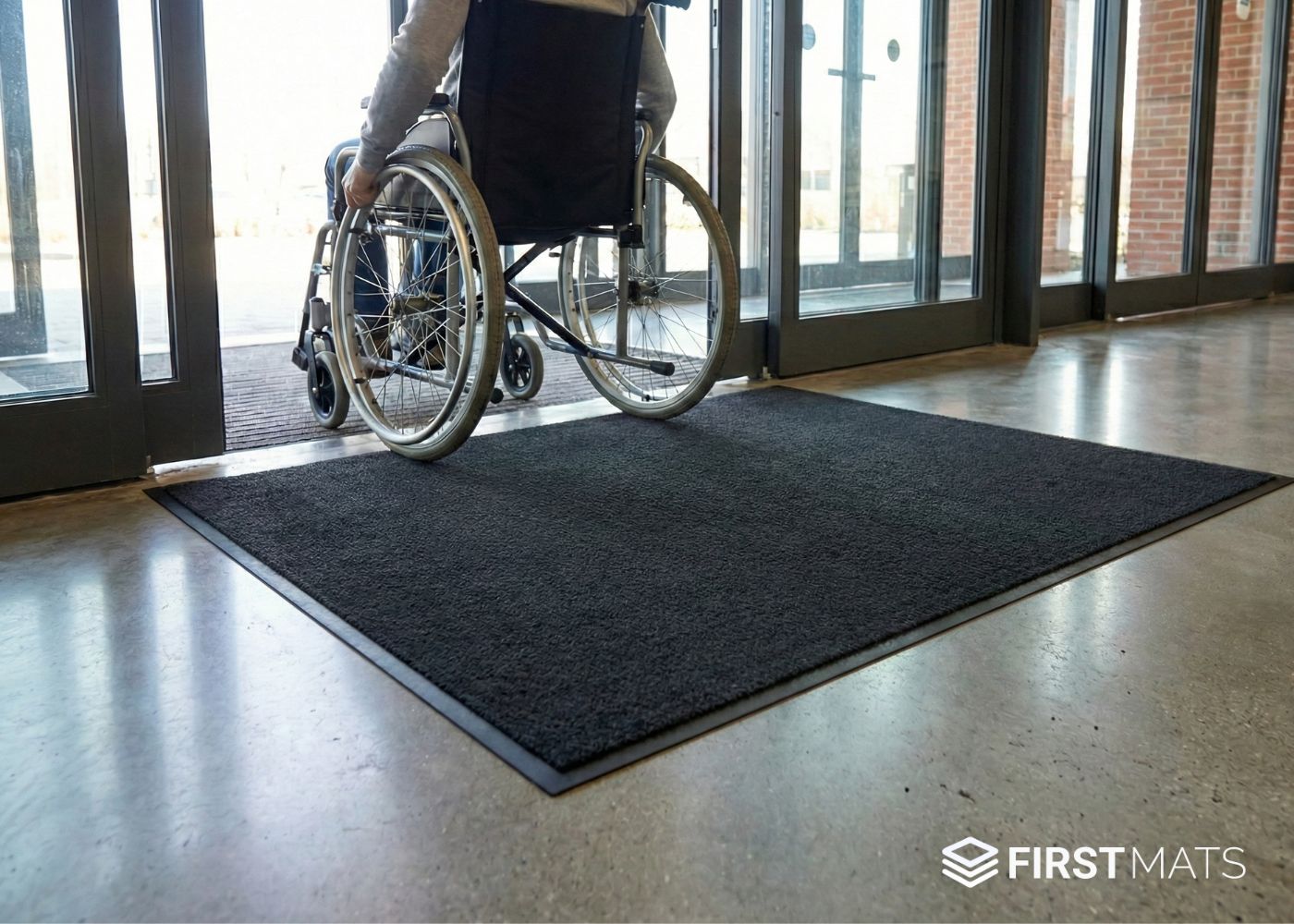
- Wheelchair Accessible: Reinforced border for added stability.
From £30.60 + VAT
Walkway Matting for High-Traffic Routes
Walkways between waste bays, sorting lines, and staff areas often suffer from wet conditions, oil patches, rough debris, and heavy foot and equipment traffic. Without suitable matting, these routes can become slippery and difficult to navigate safely.
For defined, safer walking routes:
Where you need to guide staff safely through busy operational zones and improve grip underfoot, longer lengths of matting can be used to create clear, slip-resistant pathways.
The Walkway Matting Range provides options made from rubber and PVC in lengths up to 10 metres for both indoor and outdoor use. These mats help define safe walking routes and add extra traction where floors may be uneven or contaminated.
Mats for Contamination Control
Some areas, particularly those leading from processing zones into offices, laboratories, or welfare facilities, require higher levels of contamination control to keep finer dust and particles from spreading.

For controlling fine dust and debris at thresholds:
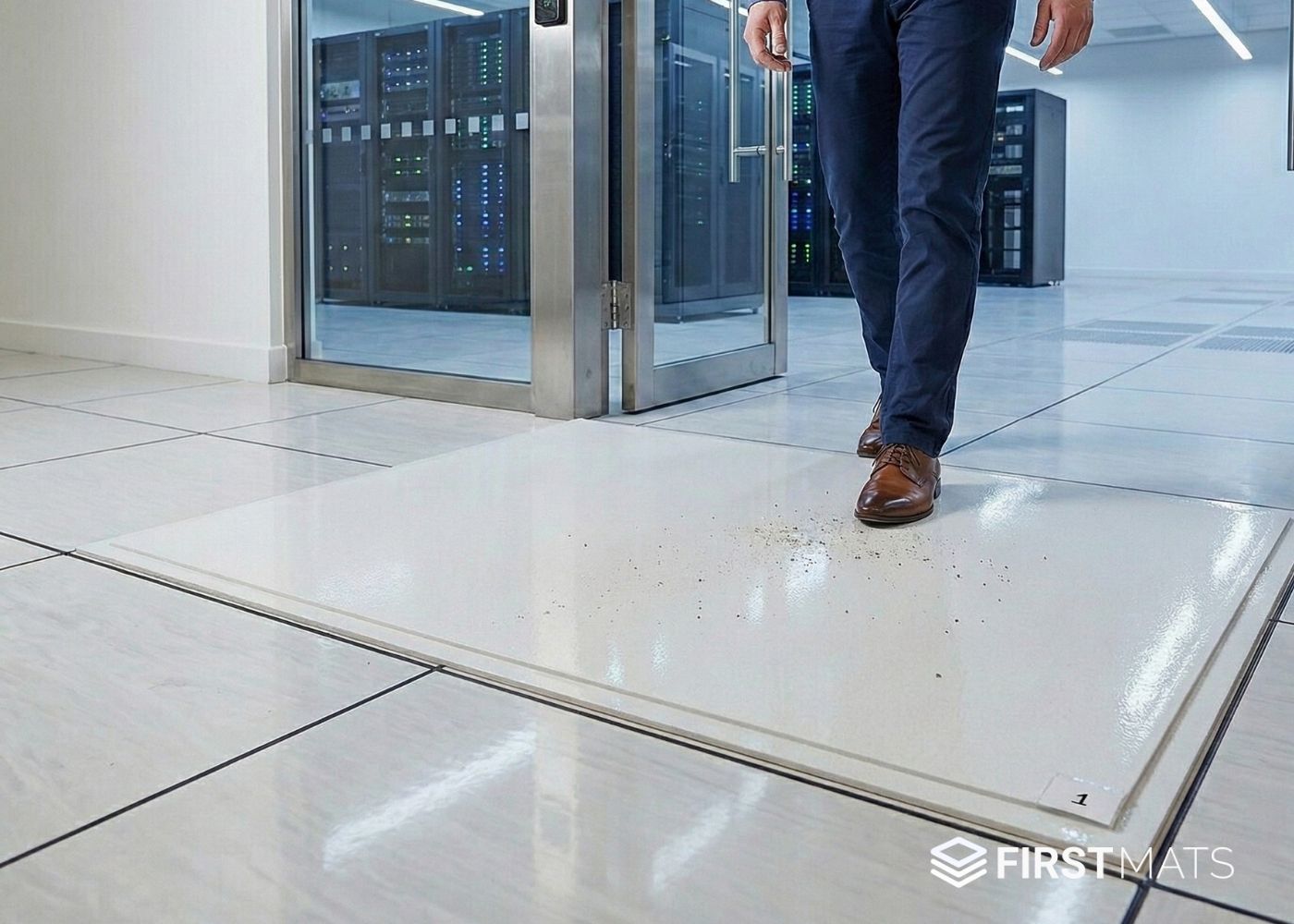
Where traditional scraper mats are not enough to deal with fine dust, fibres, or small particles, tacky mats can provide an extra level of control. These mats use adhesive layers to remove smaller contaminants from footwear as staff walk over them.
The Tacky Mats Range is designed for this purpose, with peel-away layers that can be removed once soiled, leaving a fresh adhesive surface ready for the next shift.
Standard Disposable Tacky Dust Mats - 60cm x 76cm
First Mats recommendationEnhance cleanliness and hygiene with our standard-size Disposable Tacky Dust Mats, expertly designed to capture dust, germs, and fine particles. Ideal for sterile environments like hospitals and clean rooms, these…
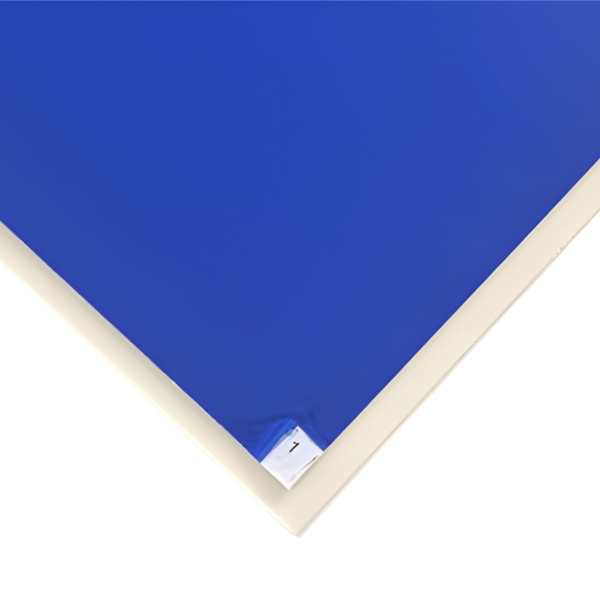
- Hygienic Design: Antimicrobial additive inhibits bacteria and mould.
- Effective Dust Capture: Tacky surface traps dust, dirt, and fine particles.
- Peelable Layers: 30 numbered layers for simple maintenance.
- Durable Frame: Made of rigid polystyrene with non-slip backing.
From £42.90 + VAT
How to Choose the Right Waste Management Mats
When selecting mats for waste and recycling facilities, consider the following checklist:
Safety Requirements
- Are liquids present? Choose mats with drainage holes to prevent pooling.
- Are oils or chemicals used? Select nitrile rubber or protected surfaces with chemical resistance.
- Are slips or trips a concern? Use mats with secure backing and bevelled edges.
Hygiene Needs
- Do you need to stop contamination spreading between zones? Use scraper mats, walkway matting, or tacky mats at thresholds.
- Do you need to maintain clean welfare and office spaces? Use heavy-duty entrance mats at building entry points.
Staff Comfort
- Do staff stand for long periods in one place? Use industrial anti-fatigue mats in sorting and processing areas.
- Is the environment too harsh for foam-based mats? Choose rubber or vinyl-topped mats for better durability.
Final Thoughts
Choosing the correct waste management mats or recycling centre mats can significantly improve safety, hygiene, and staff comfort across your facility. From anti-fatigue mats that support standing workers, to scraper and walkway mats that help reduce contamination, matting plays a key role in creating a safer and more efficient workplace.
If you need guidance selecting the right mats for your waste or recycling site, the First Mats team is always happy to help.